
Common faults and maintenance tips of constant temperature and humidity test chambers
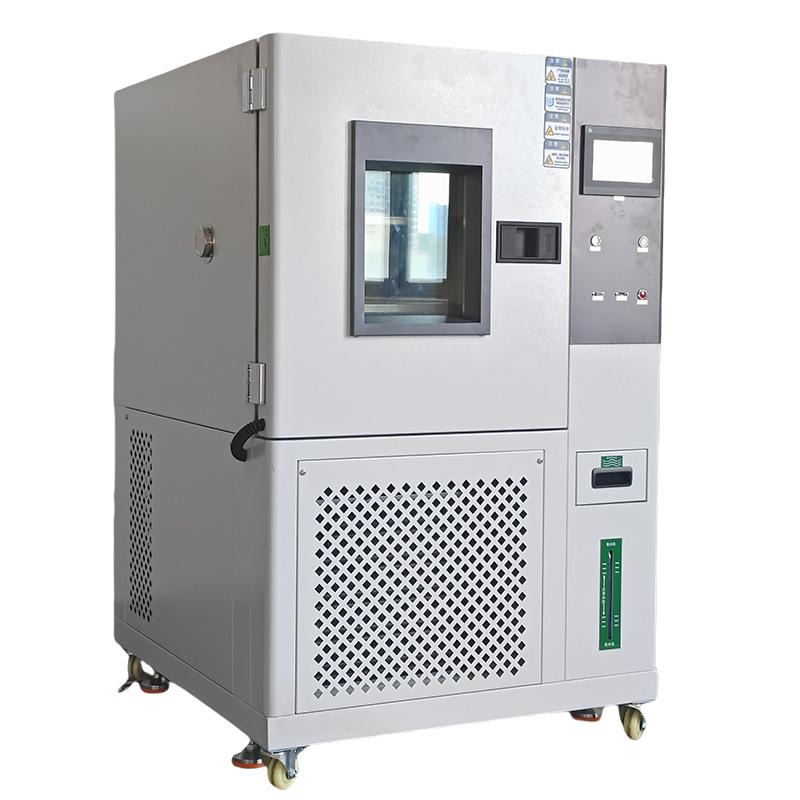
Constant temperature and humidity test chambers are key equipment used in laboratories to simulate different temperature and humidity environments and evaluate changes in the performance of materials or products. The stability of its long-term operation is directly related to the accuracy and reliability of the test data. Based on daily equipment management and troubleshooting experience, we have sorted out several types of common problems of this equipment and their corresponding maintenance ideas for colleagues' reference.
Temperature control abnormalities and treatment
Temperature fluctuations or failure to reach set values are more common phenomena. The reasons are usually multifaceted. In terms of refrigeration system, it is necessary to pay attention to the working status of the compressor and whether the refrigerant is sufficient. If the cooling capacity of the equipment decreases, it may be due to trace leaks of refrigerant or reduced compressor efficiency. In terms of heating systems, the heater should be inspected for broken circuits or signs of aging, which can lead to slow heating up or temperature overshoot. Additionally, controlling the accuracy of the sensors is crucial. Dust or aging on the surface of the sensor can distort the temperature data fed back, which in turn affects the accuracy of the control logic. During routine maintenance, it is recommended to clean the sensor probe regularly and verify the temperature control system according to the metrology calibration plan to ensure that it is working as expected.
Humidity control deviations and countermeasures
Humidity control involves two processes: humidification and dehumidification. Insufficient humidification is often related to humidifiers, such as low water levels in the humidification tray, scaling of heating elements affecting thermal efficiency, or blockage of water supply channels. The poor dehumidification effect is often related to the temperature of the evaporator of the refrigeration system, which cannot effectively condense water vapor, or the water pan accumulates due to poor drainage pipelines, which will affect the dehumidification performance. Another point of concern is wet and dry ball gauze (if the equipment uses this principle). If the gauze hardens, is dirty, or is not properly immersed in the sink, the measured wet bulb temperature will be inaccurate, resulting in a deviation in the calculated relative humidity. Regularly cleaning the humidifying water tray, unclogging the drain pipe, and replacing the dry and wet ball gauze are the basic work to maintain the stability of the humidity system.
Waterway system failure and routine maintenance
The waterway system is an important support part of the operation of the constant temperature and humidity box, and it is also a frequent area of failure. Common problems include: insufficient water supply pressure due to wear and tear of the pump after long-term operation; Microorganisms or impurities in the water tank block the filter and pipeline; The water level control float switch is jammed, causing overflow or low water level alarms. To reduce the incidence of waterline failures, laboratory-grade pure or distilled water should be used to reduce the deposition of minerals in the water inside the pipes and equipment. At the same time, it is recommended to formulate a plan to regularly clean and disinfect the water tank, water filter and humidification water tray to prevent microbial growth from affecting the sample and the environment.
Condenser heat dissipation and equipment environment
The condenser is the heat dissipation component of the refrigeration system, and its working state directly affects the refrigeration efficiency and compressor life. If the equipment installation location is poorly ventilated, or a large amount of dust and fluff accumulate between the condenser fins, it will seriously hinder heat exchange, resulting in an increase in condensation pressure and an increase in compressor load, which may lead to high-pressure protection shutdown or a decrease in cooling capacity. The key to maintenance is to reserve enough heat dissipation space for the equipment and regularly use a vacuum cleaner or a special brush to clean the adhesion on the surface of the condenser, especially in dusty environments, the cleaning frequency should be appropriately increased.
Control system settings and operation specifications
Part of the fault stems from negligence or improper settings during operation. For example, if the door is opened directly without waiting for the temperature in the box to return to close to room temperature after conducting a low or high temperature test, the sharp temperature difference may cause damage to the door seal, and may also cause the window glass to fog or crack. For example, if the slope of the written temperature and humidity program is set too large, it will exceed the dynamic response ability of the equipment itself, which will also cause the actual curve to not be able to keep up with the set value for a long time, giving people the illusion of equipment failure. Standardized operation procedures and clear program writing logic are important parts of ensuring the stable operation of equipment and extending its service life.
Summary and maintenance suggestions
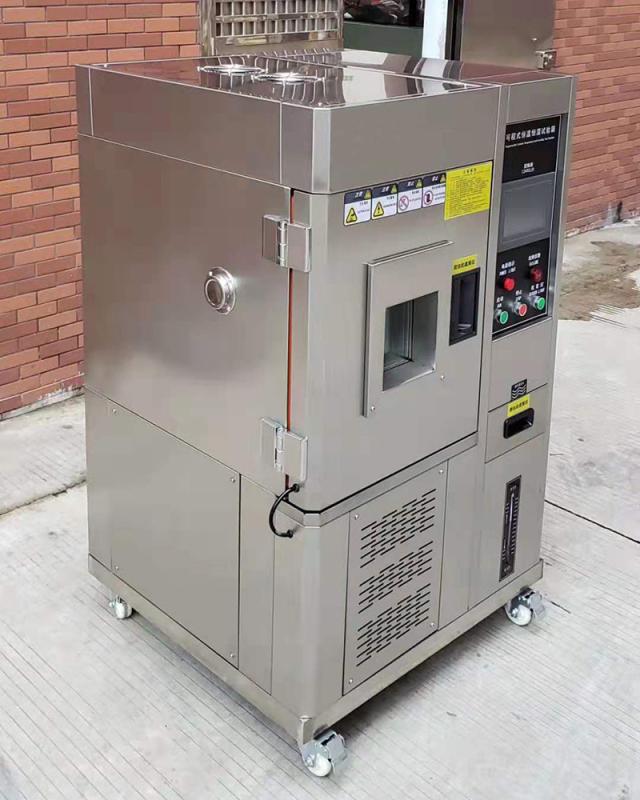
The reliable operation of the constant temperature and humidity test chamber depends on standardized daily use and scientific maintenance plan. It is recommended that the laboratory establish an equipment operation log to record the start and end time, temperature and humidity settings, and any abnormal prompts during operation. Regularly (e.g., monthly or quarterly) the equipment is cleaned inside and outside and inspected for critical components, including box tightness, electrical wiring connections, refrigeration system pressure, and the status of each sensor. When encountering complex faults that cannot be judged by oneself, contacting the equipment manufacturer or professional maintenance personnel for maintenance in time is an effective way to ensure that the problem is properly solved.


