
Researchers leaned over to observe a uniformly coated sample, and behind it was the precision instrument that created this accurate film. In a laboratory setting, the preparation of uniform, thickness-controlled coatings is fundamental to many scientific fields. The laboratory film Coater is a special equipment designed for this purpose, which mechanically applies the coating to the substrate to form one or more solid continuous films. The application range of this device spans multiple disciplines, from nanomaterials research to flexible electronics development.
Instrument principle
The core principle of laboratory film coating machines lies in the uniform application of liquid or molten coatings to the surface of the substrate through precisely controlled mechanical movements. According to the different working principles, it is mainly divided into several technical paths: scraper type, wire rod type, spin coating type and hot melt coating type.
Squeegee Coaters control coating thickness by adjusting the gap between the squeegee and the substrate. The wire rod type uses a metal rod wrapped around the wire to leave a wet film of a specific thickness when moving. Rotary coating is another common technique that spreads the coating evenly through centrifugal force generated by the rotation of the substrate, making it particularly suitable for the preparation of extremely thin and uniform films. Hot melt coating machines specialize in processing solid polymers, which need to be heated and melted before being applied to the surface of the substrate.
Equipment structure
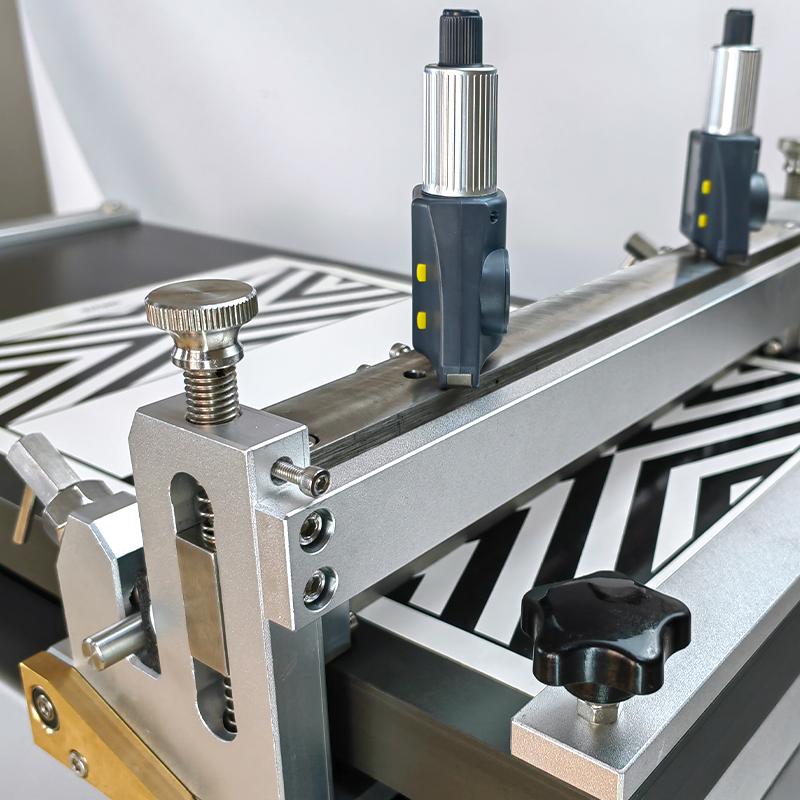
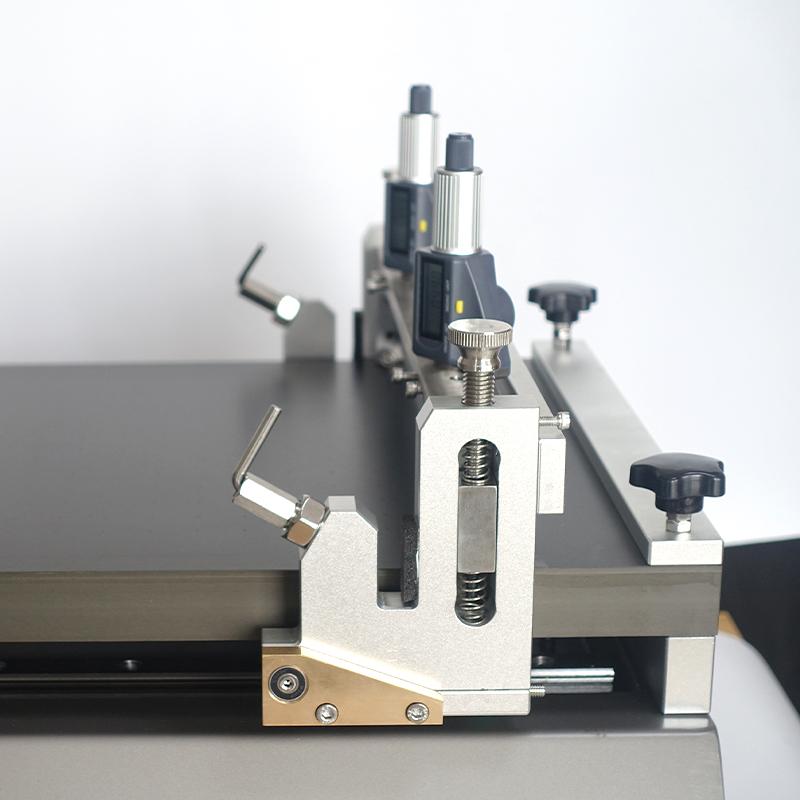
A typical lab film Coater contains several components that work together. Taking a common scraper coating machine as an example, its basic structure includes a coating platform, scraper assembly, transmission system, and control system. The coating platform is usually a flat glass or stainless steel panel, and some equipment is equipped with a vacuum adsorption function to ensure that the substrate remains stable during the coating process. The squeegee assembly is the core component that determines the accuracy, and the squeegee of a high-quality film Coater can be adjusted to an accuracy of up to 1 micron, meeting the requirements of most scientific research applications for film thickness control. The transmission system is responsible for pushing the scraper or substrate to move smoothly, and the high-end model adopts imported steel rod drive instead of traditional belt drive, which runs more smoothly and has a longer life. The control system is developing in the direction of digitalization and intelligence, and modern coating machines are mostly equipped with CNC panels, which can store multiple sets of parameters to ensure the consistency of results when operating by different personnel and at different times.
Applications
The application of laboratory film coating machines spans numerous disciplinary boundaries. In semiconductor processes and lithography, spin Coaters are used to prepare photoresist layers; In nanomaterials research, it helps scientists create uniform nanofilms. In the field of packaging materials, film coating machines are used to evaluate the performance of various packaging films; Coating machines also play an indispensable role in optoelectronic device preparation and biosensor development. Academic institutions such as Peking University, Nanjing University, Fudan University, and the National Institute of Nanotechnology have used coating machines as basic research tools, confirming their universality in the field of scientific research.
Selection considerations
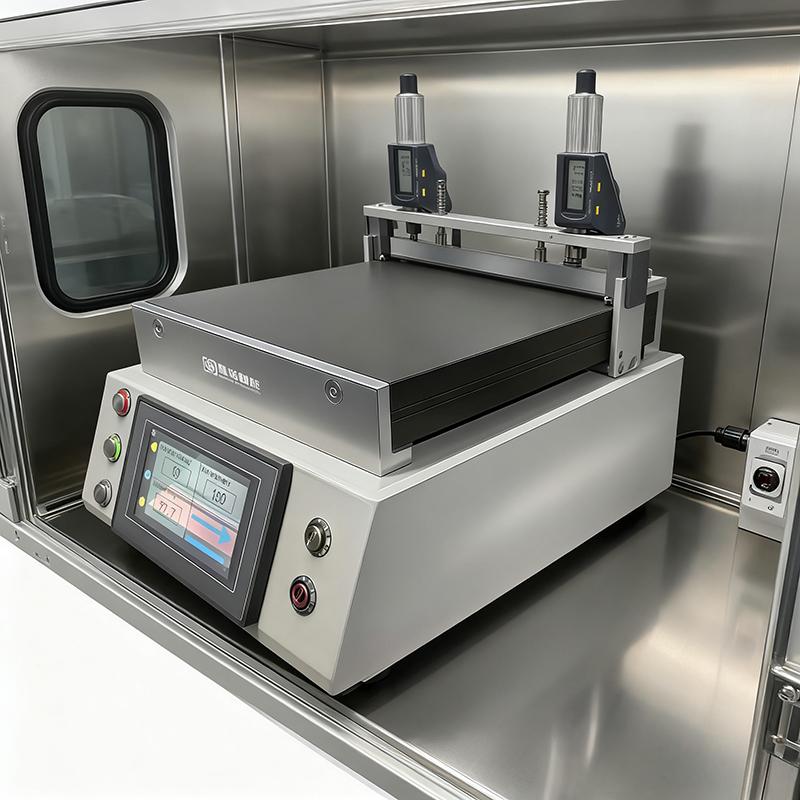
In the face of diverse scientific research needs, choosing the right film coating machine requires comprehensive consideration of several key factors. Coating is a top priority, with squeegee and wire rods suitable for most flat panels, while rotary coating is better suited for smaller substrates such as silicon wafers.
The thickness range directly determines whether the equipment can meet the experimental requirements, and the thickness adjustment range varies greatly between different models. Control accuracy is related to the repeatability of experimental results, and digitally controlled equipment can significantly reduce operating errors.
Functional scalability is also a consideration, and some devices can be equipped with a drying system or vacuum adsorption function to accommodate more complex experimental conditions.
The size of the platform determines the maximum size of the sample that can be processed, and the appropriate model needs to be selected according to the common sample size.
Professional services
The professional use of laboratory film coating machine is inseparable from in-depth technical support and service. As a professional platform in the field of laboratory equipment, Nanbeichao brings together the technical parameters and performance characteristics of various coating machines, providing researchers with a comprehensive reference for equipment selection. The professional platform not only provides basic information about the equipment, but also helps researchers compare the performance differences of different models of equipment and understand the impact of each technical parameter on the experimental results. From basic coating principles to complex parameter adjustments, the professional platform provides comprehensive decision-making support for researchers, helping them match the appropriate model according to their experimental needs.
