
Scraper fineness meter is a special measuring instrument used to determine the size and dispersion of pigments, fillers and impurities in liquid slurries such as paints, inks, paint pastes, etc. The fineness value is determined by scraping the sample onto a plate with a precision wedge-shaped groove, and the fineness value is determined by visually observing the location of the particles, and the result is expressed in micrometers (μm) and other units. The instrument has a simple structure and easy operation, and is a routine must-check tool for inspecting the grinding process and dispersion uniformity of products in coating production, quality control and scientific research. The accuracy and reliability of its measurement performance is directly related to the effectiveness of product quality control.

Uses:
Fineness is a key quality indicator for products such as paints and inks, which characterizes the degree of dispersion of powder particles in them. The fineness value directly affects the final appearance of the coating (such as gloss, smoothness), workability, storage stability, and the physicochemical properties of the paint film. Therefore, the use of scraper fineness meters for fineness detection in manufacturing, storage and application is an important means to monitor process stability and ensure batch-to-batch consistency and final use effects.
Type
Scraper fineness meters are mainly classified according to the number of grooves, range range, and scale unit.
According to the number of grooves: It can be divided into single-groove, double-groove and wide groove models. The dual-slot design allows for two parallel results to be obtained in a single scrape, making it easy to compare or average values, improving inspection efficiency and reliability. The wide-slot model provides a wider viewing area.
According to the range of measurement: common specifications include 0-15μm, 0-25μm, 0-50μm, 0-100μm, 0-150μm, 0-250μm and 0-500μm. The range selection is determined by the estimated fineness range of the sample to be tested.
By Scale Unit: Mainstream scale units include micron (μm), Hegman (Hegman/NS), and North (North/PCU). The micrometer is the most common unit of length in the world. Hegelman and other units are used in some specific industries or standards, and you need to pay attention to the correspondence when purchasing.
Measurement principle
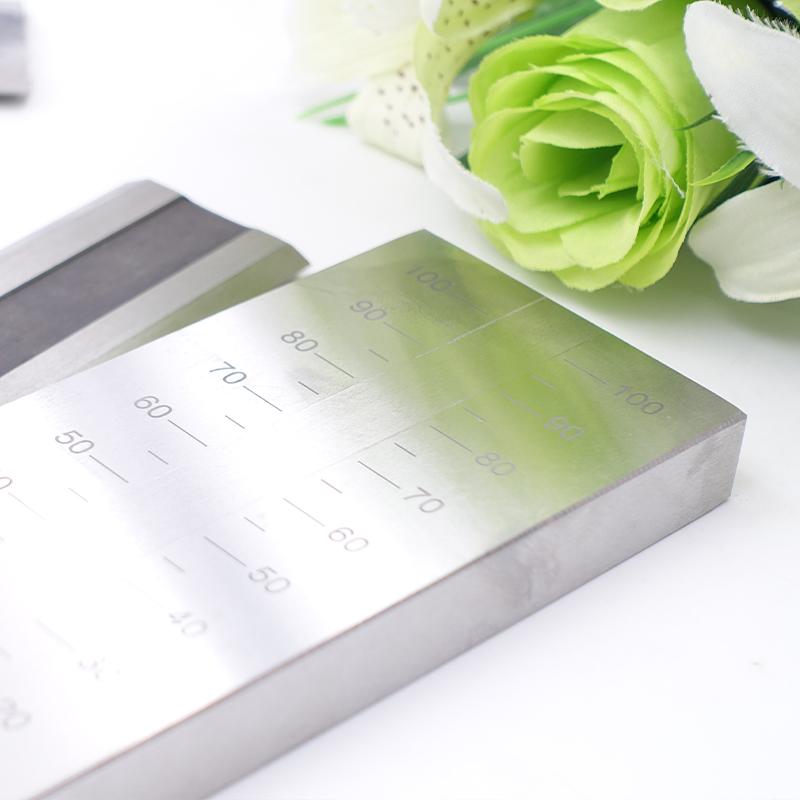
The measurement of scraper fineness meters is based on wedge scraping and visual interpretation. Its core component is a polished plate with at least one wedge-shaped groove on the surface, with a uniform decreasing groove depth from one end to the other (e.g., from 25 μm to 0 μm). To measure, place the appropriate amount of sample at the deepest end of the trench and use a scraper perpendicular to the surface of the plate to scrape the sample through the entire trench area at a constant speed and pressure. After scraping, a wet film with continuous variation in thickness will form in the groove. Since the size of the particles is larger than the thickness of the film where they are located, the observer observes the light at an angle to look for a critical line where the particles appear uniformly (usually 5 to 10 particles in a band about 3 mm wide). The trench depth scale corresponding to this critical line is the fineness value of the measured sample.
How to choose
Choosing the right scraper fineness meter requires comprehensive consideration of measurement range, accuracy requirements, applicable standards, and usage scenarios.
Determine the range——This is the first step in selection. Ensure that the estimated fineness of the sample being measured falls in the middle region of the selected range (approximately 20%-80%) for optimal resolution and reading accuracy. The general selection reference is as follows:
Estimate sample fineness range | Recommended range |
| ≤ 30µm | 0-50µm |
| 31µm - 70µm | 0-100µm |
| > 70µm | 0-150μm or higher |
Select the trench type- For experiments that require higher repeatability validation or parallel comparison, the dual slot type is a more suitable choice. Single-slot type can be used for routine quality inspection; If the sample contains slight flocculation or requires a larger viewing area, a wide trough type may be considered.
Focus on key performance:
Material and machining precision – The body is usually made of hardened stainless steel to ensure wear resistance, corrosion resistance, and long-term dimensional stability. The flatness of the bottom surface of the groove and the straightness of the blade of the scraper are the key to affecting the measurement accuracy, and the flatness error of high-grade products needs to be controlled at the micron level.
Accuracy and index value - The overall accuracy of the instrument (e.g., ±2μm) and the scale index value (e.g., 0-50μm range corresponds to 2.5μm index) must meet the requirements of relevant testing standards.
Compliance – Ensure that the selected instrument meets or is compatible with the national, industry, or enterprise standards that need to be enforced, such as GB/T 1724, and that the calibration certificate that comes with it is valid.
Companion Tools – Standard configuration usually includes a scraper (fineness meter body) and one or more scrapers. The scraper should be matched with the scraper to keep the blade straight and without chips.
How to use
Specification operations are the prerequisites for obtaining reliable data, and the basic steps are as follows:
Thoroughly clean the scraper groove and scraper blade with the appropriate solvent and dry with a clean and soft cotton cloth or special paper to ensure that there is no dust, fibers, or previous residual samples.
Stir the sample under test thoroughly. Use a small paint knife to take a few drops at the deepest end of the trench, and the sample volume should fill the trench and be slightly less redundant.
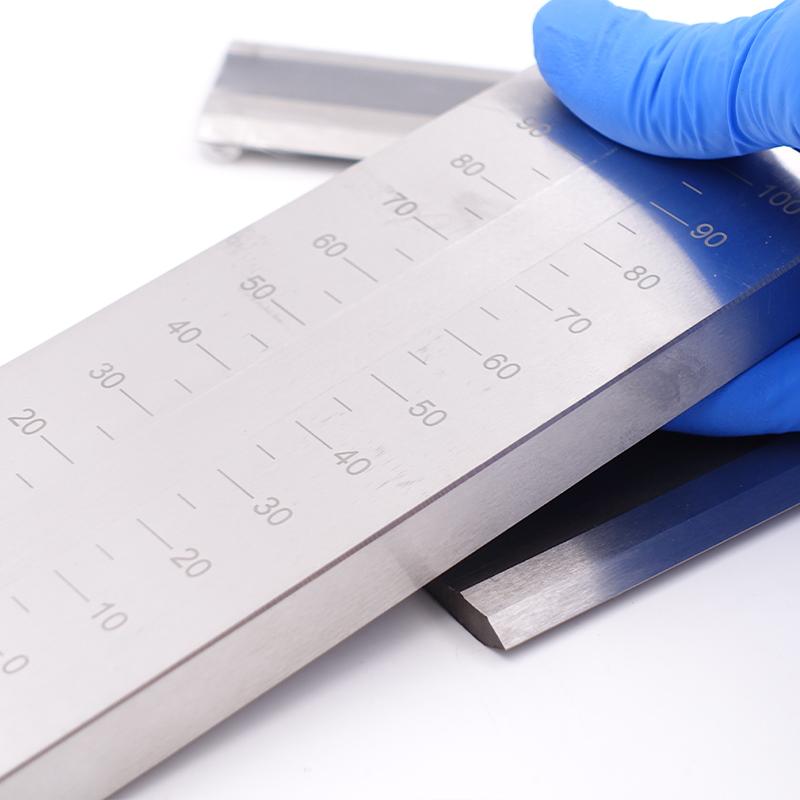
Hold the scraper in both hands, with your thumb, index finger and middle finger together, and place the scraper horizontally and perpendicular to the surface of the scraper in front of the sample. Within 1 to 3 seconds, at a uniform speed and sufficient pressure, pull the scraper through the entire groove to the shallowest end at once, and the action should be smooth and without pause.
After scraping, it should be observed within 3 to 5 seconds under good lighting conditions. The line of sight should be perpendicular to the long side of the groove and at an angle of about 20-30 degrees to the surface of the scraper. Observe the boundary line where the particles are uniformly exposed, read the scale value there, and the reading accuracy must comply with the instrument's indexing regulations (e.g., 0-50μm range readings to 2μm).
Immediately after the measurement, clean the instrument with solvent, and after drying, it can be coated with a thin layer of anti-rust grease to prevent rust. The scraper and scraper should avoid bumping and should be sent to a qualified metrology agency for verification on a regular basis (such as every year) to calibrate their flatness and value errors.
As a classic and practical tool for measuring particle dispersion, scraper fineness meters are valuable in converting microscopic particle distribution into intuitive, quantifiable readings. Correct selection and strict standardized operation are the basis for its function. Users need to accurately match the range and type according to the characteristics of the measured material, follow the standard process in daily use, and establish a regular measurement verification plan to ensure the accuracy of the instrument and the long-term reliability of the measurement results. Only by combining instrument performance, specification methodologies, and rigor can it continue to provide reliable data support in the quality control system.